
The evolution of gambling A journey through history
The Origins of Gambling
The history of gambling can be traced back thousands of years, with evidence suggesting that ancient civilizations engaged in various forms of betting. Archaeological findings in China reveal that around 2300 BC, people used rudimentary games of chance. Similarly, ancient Egyptians played games that involved betting on the outcomes, demonstrating that the psychological allure of risk has long captivated humanity. Today, you can discover the best new casinos in innovative online formats that enhance this timeless pursuit.
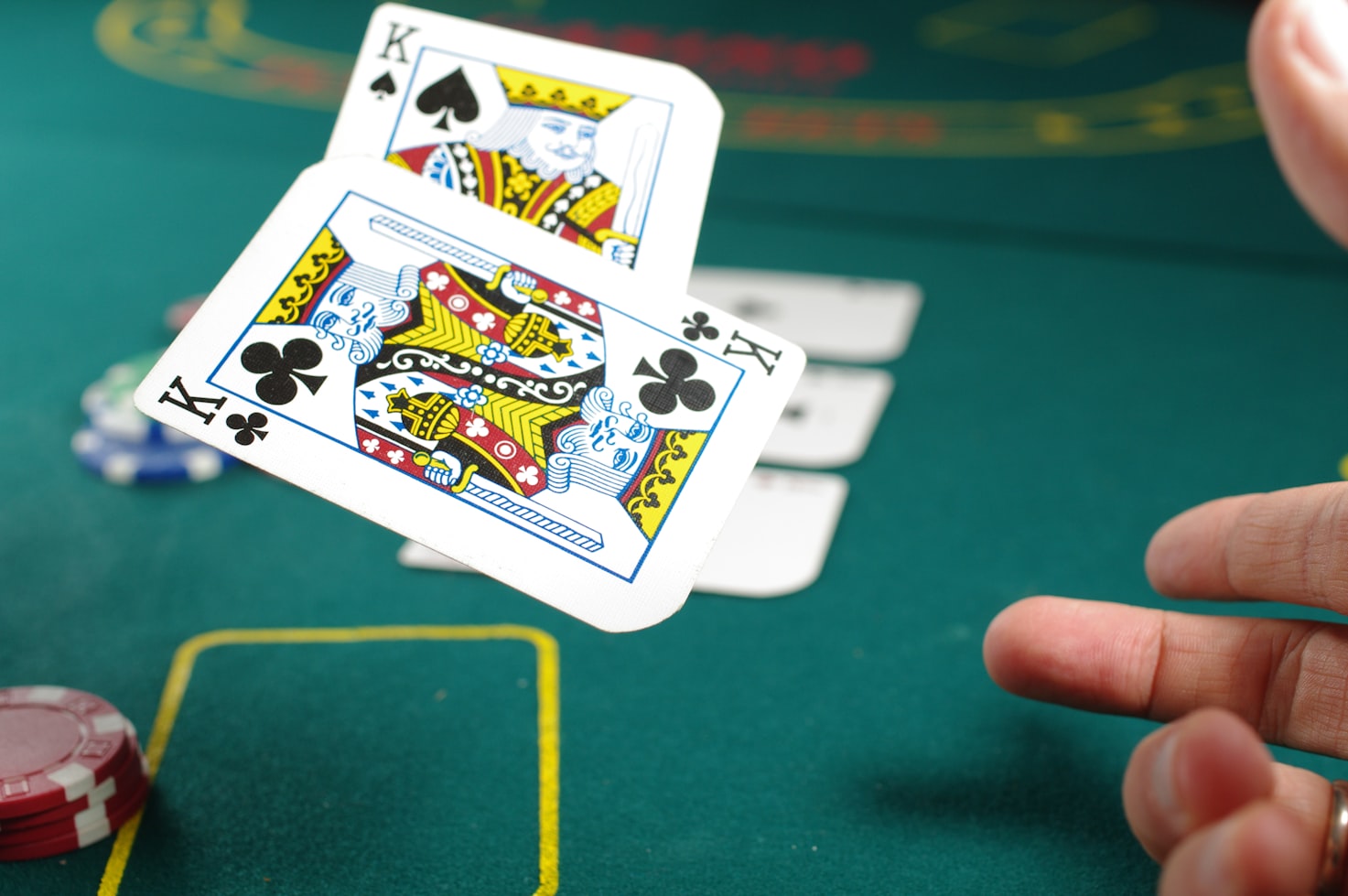
In ancient Rome, gambling became a widespread pastime, often associated with gladiatorial games and chariot races. The Romans introduced dice games and betting as integral parts of their culture, leading to more formalized regulations surrounding gambling. This evolution marked the transition from informal betting to a structured system, laying the groundwork for future gambling activities.
The Middle Ages and Beyond
The Middle Ages saw a significant shift in gambling, influenced heavily by the rise of the church and societal norms that often viewed gambling as a vice. Despite these restrictions, underground gambling persisted. This period also saw the creation of early playing cards in Europe, which would later lead to card games becoming a staple of gambling.
By the 17th century, gambling began to be formalized with the establishment of the first official lottery in France. This period highlighted the interplay between gambling and social status, as lotteries often funded public projects. The emergence of gaming houses signaled a new era where gambling became an organized, lucrative enterprise, attracting a wider demographic.
The Rise of Casinos
The 18th century marked the birth of casinos, with the first recognized casino opening in Venice, Italy, in 1638. These establishments provided a lavish atmosphere where the elite could gamble, signaling a new social dynamic around gambling. The concept of the casino quickly spread throughout Europe, gaining popularity as a social venue and a place for entertainment.
During the 19th century, the evolution of gambling continued with the introduction of games like roulette and poker. This period saw the establishment of several iconic casinos, such as those in Monte Carlo, which became synonymous with high-stakes gambling. The glamour associated with these venues not only attracted wealthy gamblers but also set the stage for the worldwide proliferation of casinos.
The Modern Era of Gambling
The 20th century brought about significant changes in gambling due to technological advancements and changing societal attitudes. The establishment of Las Vegas as a gambling hub in the United States redefined the industry, making it synonymous with glitz and excitement. This era saw the introduction of slot machines and electronic gaming, revolutionizing how people engaged with gambling.
The rise of online gambling in the late 1990s further transformed the landscape, allowing players to bet from the comfort of their homes. The psychology of gambling evolved, as digital platforms introduced new forms of engagement and interaction, making gambling more accessible to a broader audience.

Your Guide to Modern Gambling
In today’s world, the evolution of gambling continues, shaped by advancements in technology and changing regulations. Online casinos have become increasingly popular, offering diverse games and innovative features that enhance the player experience. Understanding these options is essential for anyone looking to engage responsibly in gambling activities.
As you explore the modern gambling landscape, it’s crucial to choose platforms that prioritize safety, fairness, and entertainment. Finding a reliable online casino that aligns with your preferences can significantly enhance your gaming adventure, ensuring you enjoy the excitement of gambling while minimizing risks.